Last year, Baltimore had three mass overdose incidents in the span of three months in its Penn North neighborhood. In one incident, more than two dozen people were hospitalized after many were found unresponsive, lying in the streets or on sidewalks. No one died, but some came close. Follow-up testing found that the street drugs contained high levels of N-methylclonazepam, a benzodiazepine that operates similarly to Xanax or Valium. Like opioids, benzodiazepines suppress breathing. When they’re combined, the risk of overdose goes up. And benzodiazepines don’t respond to opioid overdose reversal drugs. Afterward, the Baltimore Harm Reduction Coalition created test strips specifically for benzodiazepines. The group distributed them — along with test strips that identify other harmful adulterants, such as fentanyl, xylazine, and medetomidine — at clinics and neighborhood events. The strips, available at no cost, can also be found in bars and spread out on street corners. People testing drugs mix a small amount with water and then dip a test strip into the liquid. The strip will change color if it identifies an adulterant. “Nobody really knows what they’re getting whenever they’re gett...
A Federal Policy Is Complicating How Organizations Battle the Opioid Crisis
 8 hours ago
3
8 hours ago
3
Related
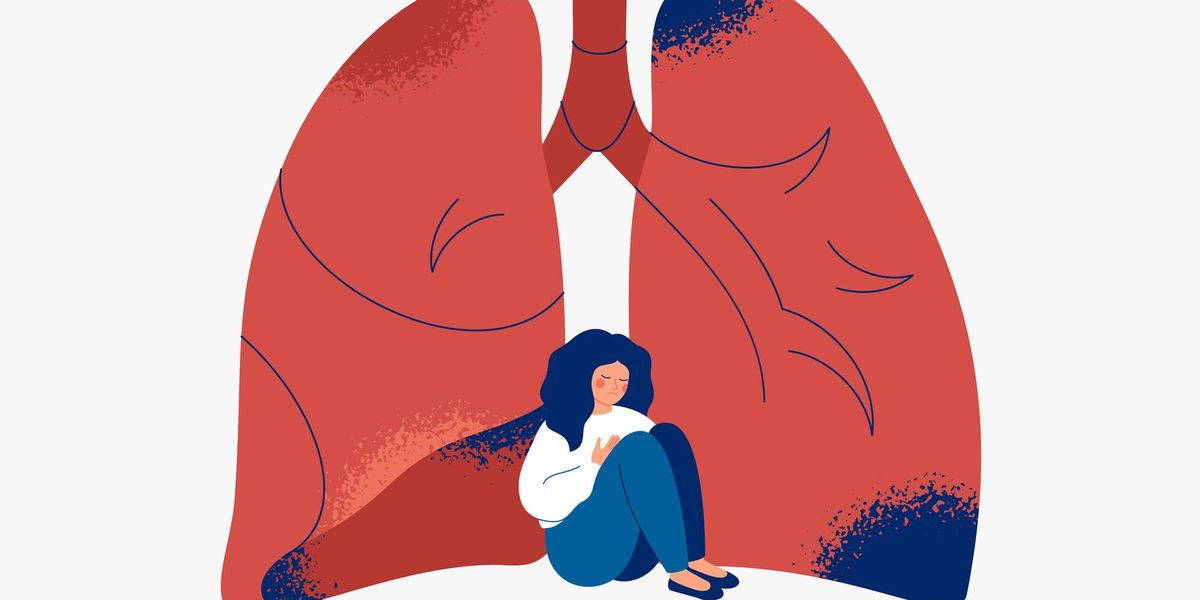
Women and Lung Cancer: A Deadly Combination
3 hours ago
2
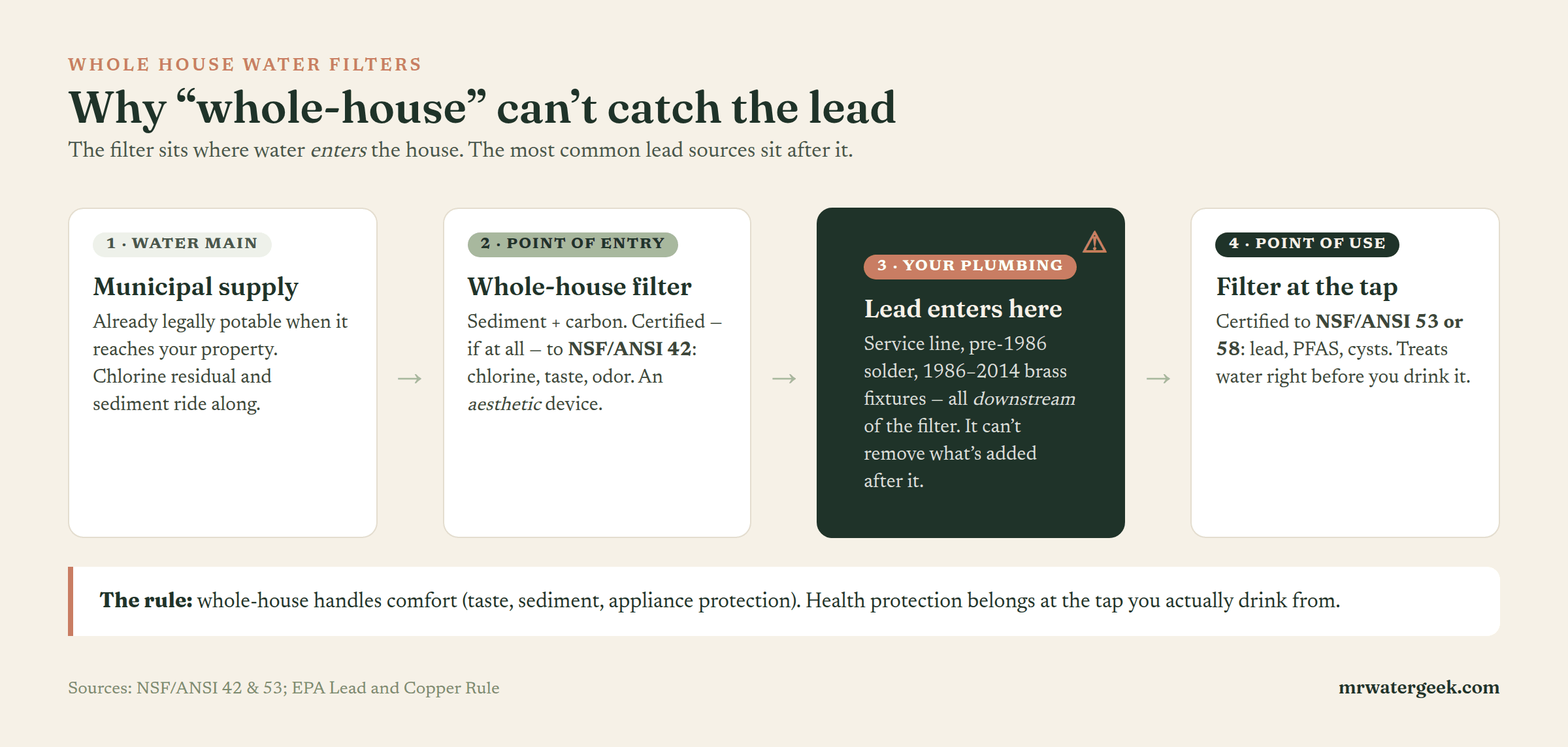




Pre-Surgical Complications (Part 2)
11 hours ago
2

What to Know About the Earthquake in Colombia
21 hours ago
3
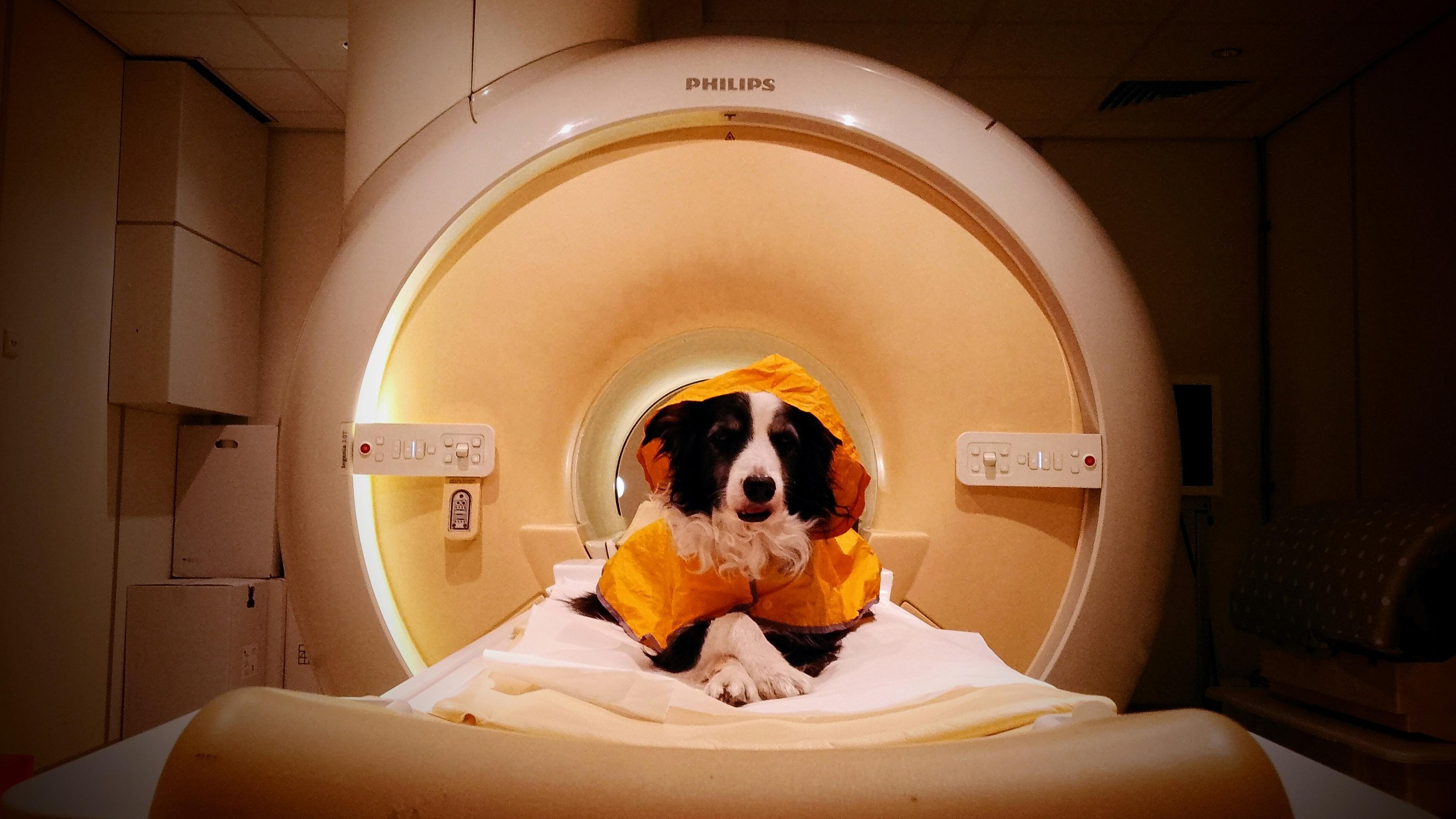
Your Dog Really Can Tell When You're Happy
1 day ago
3
Popular

I Had a Stroke at Birth and Spent Years Trying to Hide My Ce...
4 weeks ago
120

Elemental Magnesium: What It Means and How to Read Labels
3 weeks ago
101




![Pistachio Matcha Almond Flour Bars [high protein + grain-free]](https://i0.wp.com/healthyhelperkaila.com/wp-content/uploads/2025/11/Pistachio-Matcha-Almond-Flour-Bars2.png?resize=525%2C788)



 English (US) ·
 © Clint's Healthy Living 2026. All rights are reserved
